Who should I book in with? An Osteopath or a Physiotherapist
Osteopathy and physiotherapy are both increasingly popular, non-invasive healthcare options for people dealing with pain, injury, and reduced mobility. As NHS waiting times grow and access to specialist care becomes more limited, many patients are left managing back pain and other musculoskeletal problems with pain relief alone.
The good news is that both osteopaths and physiotherapists are regulated healthcare professionals who work to reduce pain, improve movement, and support recovery. While there is now considerable overlap in modern practice, the two professions still differ in their core philosophies and typical treatment approaches.
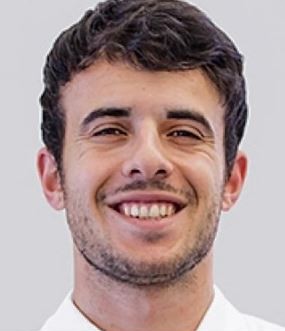
At Harper Road Osteopaths, we are pleased to offer both osteopathy and physiotherapy. We have recently welcomed experienced physiotherapist Giulio Palma to help provide a stronger rehabilitation-focused service for patients who need it.
Core Philosophies
Osteopathy is based on the idea that the body works as one integrated system. Osteopaths look for the underlying cause of pain by assessing how the muscles, joints, ligaments, and connective tissues interact. Treatment is often whole-body in focus, rather than limited to the painful area alone.
Physiotherapy is closely aligned with evidence-based medical care and focuses on restoring movement, strength, and function after injury, surgery, or illness. It is often more targeted to a specific condition or region of the body and places strong emphasis on rehabilitation and exercise.
Treatment Techniques
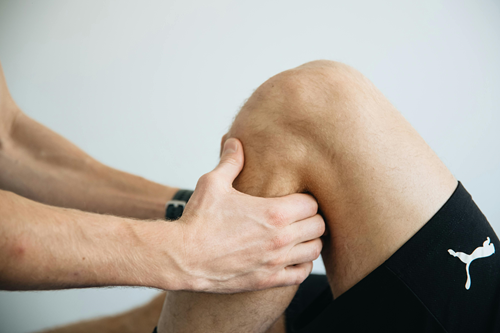
Osteopaths typically use a hands-on approach, spending much of the consultation on manual treatment. This may include soft tissue massage, joint articulation, joint manipulation, and other techniques designed to improve mobility and reduce tension.
Physiotherapists also use manual therapy, but their treatment often includes a stronger rehabilitation element. This usually involves prescribed exercises, movement retraining, and progressive loading to help patients rebuild strength and function. Depending on the condition, a physiotherapist may also use tools such as electrotherapy, ultrasound, or shockwave therapy.
Functional Rehab
Functional rehab is a key part of physiotherapy and focuses on helping you return to normal everyday activities with confidence. Rather than only treating pain, it aims to restore the way you move, lift, bend, walk, work, and exercise in real-life situations.
This approach is especially helpful if you are recovering from injury, rebuilding strength after a flare-up, or returning to sport or work after time away. Functional rehab may include mobility work, balance training, core stability, strength exercises, and progressive loading, all tailored to your goals.
For patients visiting us from London Bridge, functional rehab can be especially useful when pain has started to affect daily life, movement patterns, or confidence in activity. It helps bridge the gap between treatment in clinic and full recovery at home, at work, or in sport.
Common Issues We Can Treat
Both osteopathy and physiotherapy can help with a wide range of musculoskeletal conditions, including:
- Back pain.
- Neck pain.
- Shoulder pain.
- Sciatica.
- Joint pain.
- Sports injuries.
- Muscle strains.
- Repetitive strain injuries.
- Postural discomfort.
- Stiffness and reduced mobility.
- Rehabilitation after injury or surgery.
If you are looking for help with any of these issues in London Bridge, our clinic in Borough High Street, SE1, South London offers a convenient local option for assessment and treatment.
Key Differences at a Glance
| Feature | Osteopathy | Physiotherapy |
|---|---|---|
| Approach | Holistic, whole-body focus | Targeted, condition-based focus |
| Primary method | Manual, hands-on treatment | Exercise and rehabilitation |
| Philosophy | Structural interconnectivity | Evidence-based medical model |
| Focus | Prevention and chronic pain | Recovery and rehabilitation |
| Training | Commonly 4 to 5 years | Commonly 3 to 4 years |
When to Choose an Osteopath
You may want to book with an osteopath if:
- You have chronic back, neck, or joint pain and the cause is not obvious.
- You prefer a largely hands-on treatment approach.
- You have postural strain or stress-related tension.
- You want a holistic assessment of your body and how it is functioning as a whole.
When to Choose a Physiotherapist
You may want to book with a physiotherapist if:
- You are recovering from a specific injury such as a sprain or strain.
- You need pre-operative or post-operative rehabilitation.
- You want a structured exercise programme to improve strength and mobility.
- You have a neurological or respiratory condition.
- You want support with functional rehab and returning to normal activity.
A Complementary Approach
In many ways, osteopathy and physiotherapy are highly complementary. Modern physiotherapists are often more hands-on than they once were, and many osteopaths now include exercise-based rehabilitation in their treatment plans. As both professions continue to evolve, the line between them is becoming less distinct.
The best choice often depends on your symptoms, goals, and personal preference. Some patients benefit most from hands-on treatment, while others need a more exercise-led rehabilitation plan.
Book in With Giulio Palma
If you think physiotherapy is the right option for you, you can book in with Giulio Palma at our practice in London Bridge. He brings valuable rehabilitation expertise to the team and can help guide you through recovery with a treatment plan tailored to your needs.
Our physiotherapy clinic on Borough High Street, SE1, South London, is located near London Bridge, making us a convenient choice for patients looking for expert musculoskeletal care in central London.